Peppermint Tea Benefits: What the Evidence Supports
Peppermint tea is one of the most popular herbal teas in the world. It is naturally caffeine-free, pleasant after a meal, and widely recommended for an unsettled stomach. But how much of its reputation is backed by research? This article separates what is reasonably well supported from what is tradition or marketing, and explains who should be a little careful with it.
What peppermint tea is
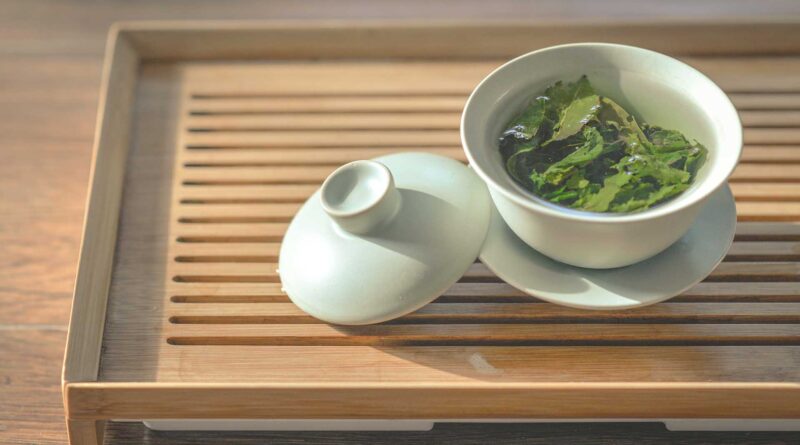
Peppermint (Mentha x piperita) is a cross between water mint and spearmint. Its leaves contain aromatic oils, the most important of which is menthol. That is what gives peppermint its cooling taste and smell, and it is thought to be responsible for most of its effects on the body. Peppermint tea is made by steeping the dried or fresh leaves in hot water. It contains far less of the active oil than the concentrated peppermint oil capsules used in clinical studies, which is important when reading claims about its benefits.
What the evidence says
Digestive discomfort and IBS
The best-studied use of peppermint is for irritable bowel syndrome (IBS). According to the US National Center for Complementary and Integrative Health (NCCIH), a small amount of research suggests that peppermint oil in enteric-coated capsules may improve IBS symptoms in adults. A 2022 review of 10 studies with 1,030 participants found peppermint oil better than placebo for overall IBS symptoms and abdominal pain, although it caused more side effects, mostly mild reflux and indigestion. A 2021 guideline from the American College of Gastroenterology recommended peppermint oil for relief of overall IBS symptoms.
The NHS advice on easing IBS symptoms also suggests asking a pharmacist about medicines such as peppermint oil for bloating and cramps.
Two cautions apply. These studies used concentrated oil in capsules designed to release in the intestine, not tea. And IBS varies a great deal between people. A cup of peppermint tea after a meal may feel soothing, and for many people that is reason enough to drink it, but it should not be expected to work like the capsules in the trials.
Tension headaches
Peppermint oil applied to the forehead and temples has been studied for tension-type headaches, with some small positive trials. There is little research on drinking peppermint tea for headaches. Staying hydrated and taking a quiet break with a warm drink may help some people feel better, but the tea itself is not a proven headache treatment.
Nausea
Peppermint, often as an inhaled aroma, has been tested for nausea in settings such as after surgery. Results are mixed. Some people find peppermint tea settling when they feel queasy, and it is a reasonable thing to try for mild nausea, but it is not a substitute for medical care when vomiting is severe or persistent.
Fresh breath and oral care
Mint flavouring freshens breath in the short term, which is why it is in so many toothpastes. Peppermint tea will not treat the causes of bad breath, such as gum disease, which need dental care.
Sleep and relaxation
Peppermint tea is not a sedative in the way chamomile is sometimes described. Its main advantage in the evening is simply that it contains no caffeine, so swapping it for a late coffee or black tea may make it easier to fall asleep.
What is not supported
You will find claims that peppermint tea burns fat, boosts immunity, detoxifies the body or prevents disease. There is no good evidence for any of these in people. As with any herbal product, be wary of dramatic promises, especially from sellers.
Safety and side effects
For most adults, peppermint tea is a safe, everyday drink. The NCCIH states that peppermint tea, made from peppermint leaves, appears to be safe, and that oral peppermint in amounts commonly found in food is likely safe during pregnancy and breastfeeding. There is less information about medicinal doses.
A few groups should take more care:
- People with heartburn or acid reflux. Peppermint can relax the muscle at the top of the stomach, and the NCCIH lists heartburn among the possible side effects of oral peppermint oil. If you have reflux, notice whether peppermint makes it worse. The NHS heartburn page covers other practical steps.
- Babies and young children. The NCCIH warns that peppermint oil should not be applied to the face of infants or young children, as inhaling the menthol can cause serious side effects. Tea is milder, but ask a health visitor or doctor before giving any herbal drink to a baby.
- People taking medicines. Concentrated peppermint oil is a medicinal-strength product. If you take prescription medication and plan to use peppermint oil capsules rather than occasional tea, check with a pharmacist first.
- Allergies. Rarely, people are allergic to mint.
How to make and enjoy it
- Use one tea bag or about a teaspoon of dried leaves, or a small handful of fresh leaves, per cup.
- Pour over water just off the boil and steep for 5 to 10 minutes, covered to keep the aromatic oils in.
- Drink it plain, or add lemon, ginger or a little honey. Iced peppermint tea is a refreshing caffeine-free alternative to fizzy drinks.
Growing peppermint at home is easy; it spreads quickly, so a pot is often better than a garden bed.
Peppermint tea compared with peppermint oil
| Peppermint tea | Enteric-coated peppermint oil | |
|---|---|---|
| Strength | Low; mild source of menthol | Concentrated |
| Research for IBS | Very limited | Several trials; some benefit |
| Main side effects | Rare; possible heartburn | Heartburn, nausea, abdominal pain, dry mouth |
| Best use | A pleasant, caffeine-free drink | IBS symptoms, ideally after advice from a pharmacist or doctor |
When to see a doctor
Herbal tea is not a solution for persistent digestive symptoms. See a doctor if you have ongoing abdominal pain or bloating, a change in bowel habits lasting more than a few weeks, unexplained weight loss, blood in your stool, difficulty swallowing, or heartburn most days. These symptoms can have many causes that are worth identifying properly.
This article is general information, not medical advice. If you have a health condition or take regular medication, speak to a doctor or pharmacist before using herbal remedies.